
News · 5 August 2026
The Mummy posters restricted after ASA rules image could distress children
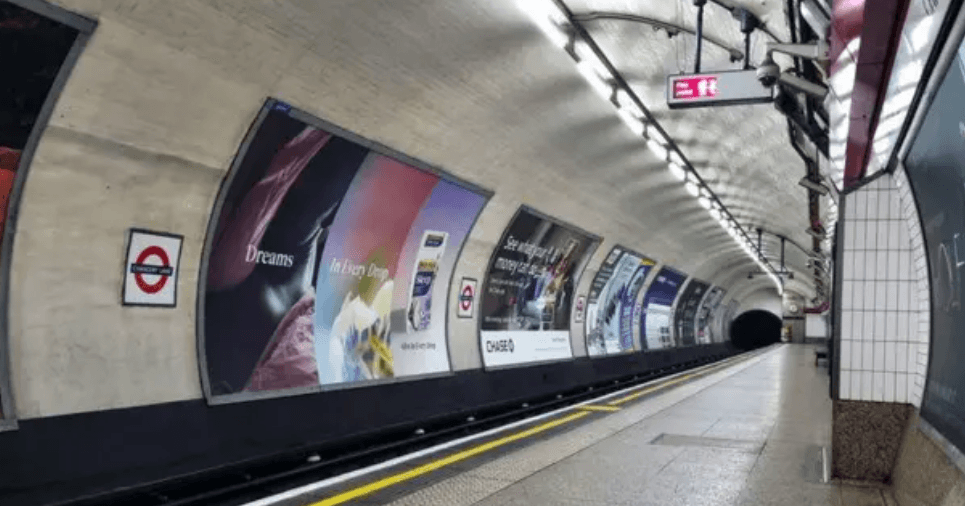
The UK advertising watchdog has ruled that outdoor posters for Lee Cronin’s The Mummy were unsuitable where children could see them, while clearing the campaign’s restricted TV and streaming adverts.
All Outdoor posters promoting Lee Cronin’s The Mummy must not appear again in the form complained about after the UK’s advertising watchdog found that their central image was likely to distress young children.
The Advertising Standards Authority published its ruling on 5 August after examining a Warner Bros Entertainment UK campaign that ran across television, streaming services, the London Underground and outdoor billboard sites.
The regulator received 30 complaints about the campaign. Twenty-eight challenged whether the posters were suitable for display in untargeted public spaces. Six of those complainants also argued that the adverts were irresponsible and likely to cause serious or widespread offence.
Why the posters were challenged
The poster showed a close-up of a female figure with a mummified appearance. It carried the line “Some things are meant to stay buried” alongside the film’s title.
Warner Bros told the ASA that the character was a living mummy who returned to her parents as a teenager or young adult, years after being kidnapped as a child. The company said the poster had been designed responsibly and deliberately avoided violence, threat and intimidation. It argued that the figure’s expression was neutral and that an open blue eye suggested life rather than death. There was no sarcophagus in the image and, in the company’s view, the character was not shown as restrained or obviously bound. Those choices, Warner Bros said, were intended to reduce the risk of distress.
It also said its buying instructions prevented outdoor advertising for horror films from being placed within 100 metres of schools. However, the ASA understood that one of the posters could be seen from a children’s nursery. Warner Bros explained that the industry dataset used for the school exclusion zone did not include nurseries.
In its assessment, the ASA focused on the figure’s recognisably human features. It said the ashen skin, cracked lips, swollen eye and vacant expression combined to give a realistic impression of a dead child.
Because the posters appeared publicly on the Underground and on outdoor billboards, they could be seen by a wide audience that included children. The regulator concluded that the image was likely to distress young children and was unsuitable for outdoor display where they were likely to see it.
TV and streaming complaints not upheld
The ruling did not ban every advert in the campaign. The ASA rejected challenges concerning the scheduling of a television trailer and the targeting of a trailer shown through Amazon’s streaming service.
The television advert was subject to restrictions that kept it away from programmes aimed at children under 16 and prevented it from being shown before 7.30pm. Clearcast, the body that clears most British television advertising, said the trailer contained mild horror but no gore or explicit violence.
The Amazon advert was shown after 9pm and used targeting intended to reach viewers considered interested in horror content. The ASA accepted that these measures reduced the likelihood of young children seeing the trailers.
The regulator also rejected the complaints that the posters were irresponsible or likely to cause serious or widespread offence. It acknowledged that some people, including bereaved parents, could find the image upsetting, but found that the discomfort was connected to the nature of the horror film being advertised and was not enough to breach that part of the advertising code.
The upheld part of the ruling concerned the placement of the outdoor posters. The ASA told Warner Bros that the adverts must not appear again in the form complained about and that future advertising likely to distress children must not be placed where children are likely to see it.