
News · 8 August 2026
William Orbit, Madonna and All Saints producer, dies aged 69
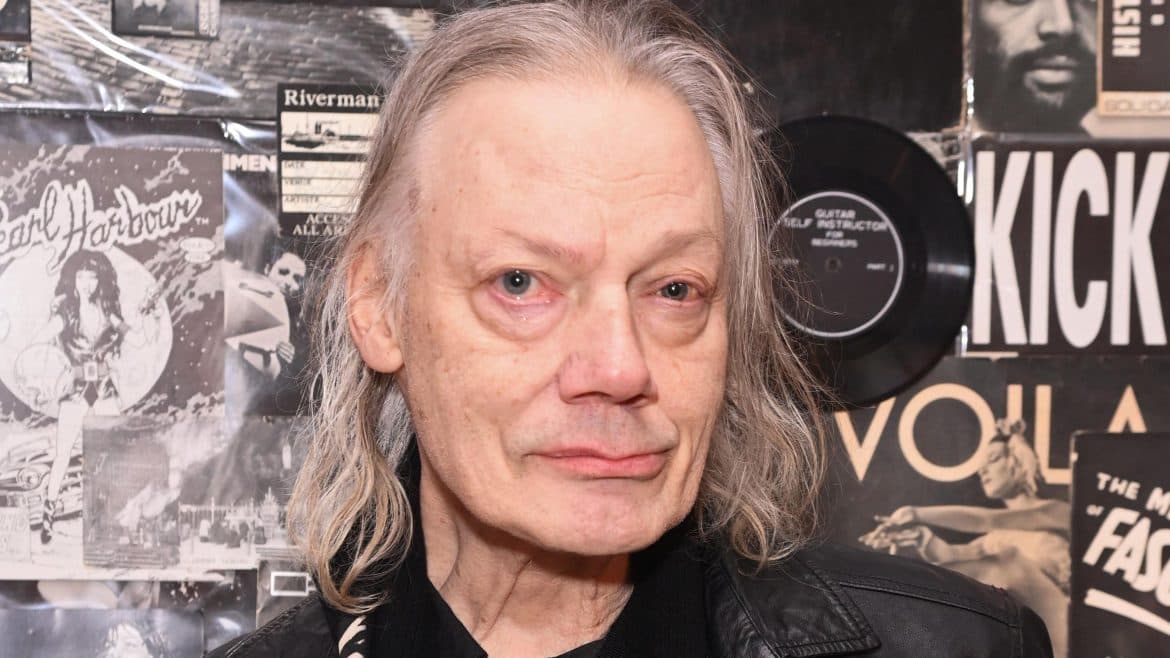
British producer William Orbit, whose work with Madonna, All Saints and Blur helped reshape mainstream pop, has died aged 69.
William Orbit, the British producer whose work helped reshape pop for Madonna, All Saints and Blur, has died aged 69. His family and friends announced the news on his official Instagram account on Friday, 7 August.
The statement said Orbit died at home on 23 July. No cause of death was given, and his family has asked for privacy.
A producer behind some of pop’s biggest moments
For millions of listeners, William Orbit’s name is closely tied to Madonna’s 1998 album Ray of Light. Their collaboration brought electronic textures, breakbeats and an expansive atmosphere into the centre of mainstream pop, while keeping Madonna’s songwriting and voice firmly in focus.
The record included the singles “Frozen”, “The Power of Good-Bye” and “Ray of Light”. Orbit later worked with Madonna on “Beautiful Stranger”, several tracks from Music, and six songs on her 2012 album MDNA.
His impact was just as audible in British pop. Orbit produced All Saints’ “Pure Shores” and “Black Coffee”, both of which reached Number One in the UK. Those records paired the group’s relaxed harmonies with shimmering electronic production and became defining songs of the turn of the millennium.
He also co-produced Blur’s 1999 album 13, including the singles “Tender” and “Coffee & TV”. It was another example of Orbit helping an established act move into a more experimental sound without losing the emotional heart of the music.
From chart pop to film soundtracks
Orbit’s credits stretched well beyond those three landmark collaborations. He worked with U2 on “Electrical Storm”, which reached Number Five in the UK, and appeared alongside Pink on “Feel Good Time”, a UK Number Three hit used in the film Charlie’s Angels: Full Throttle.
His production catalogue also included music by Britney Spears, Robbie Williams, Melanie C, No Doubt and Katie Melua. The list is varied, but there is a clear thread: Orbit could bring unusual sounds into a pop record without making the song feel remote or inaccessible.
Success in his own name
Orbit was more than a behind-the-scenes producer. His own album Pieces in a Modern Style, a collection of electronic interpretations of classical works, reached Number Two on the Official Albums Chart in 2000 and spent 20 weeks in the Top 100.
His version of Samuel Barber’s “Adagio for Strings” also became a familiar dance record, while his broader solo catalogue explored ambient, electronic and classical influences. His most recent studio album, The Painter, was released in 2022.
The Recording Academy lists Orbit as a three-time Grammy winner with seven nominations. His wins included recognition connected with Ray of Light and “Beautiful Stranger”, the Madonna song created for Austin Powers: The Spy Who Shagged Me.
His chart record also shows how easily he moved between audiences. Pieces in a Modern Style topped the UK Classical Artist Albums Chart, while “Adagio for Strings” reached Number One on the Official Dance Singles Chart. Few producers crossed those worlds so naturally.
A distinctly British pop legacy
Born William Wainwright in London in 1956, Orbit began building his career through electronic music projects including Torch Song and Bassomatic. He later became one of the producers artists called when they wanted something adventurous, atmospheric and still accessible.
That balance gave his work unusual staying power. “Pure Shores” can still fill a dancefloor without sounding locked to 2000, while Ray of Light remains a reference point for pop stars bringing club sounds into personal, emotionally direct albums.
The announcement of his death has prompted tributes across the music world, but the confirmed facts remain limited. His family’s statement remembered the music, friendship and kindness he shared, and asked that those closest to him be given space.
Orbit leaves behind a body of work that connected experimental electronic music with the biggest stages in pop. Whether heard through Madonna’s reinvention, All Saints’ coastal cool or Blur’s restless late-1990s sound, his production changed the way mainstream records could feel.